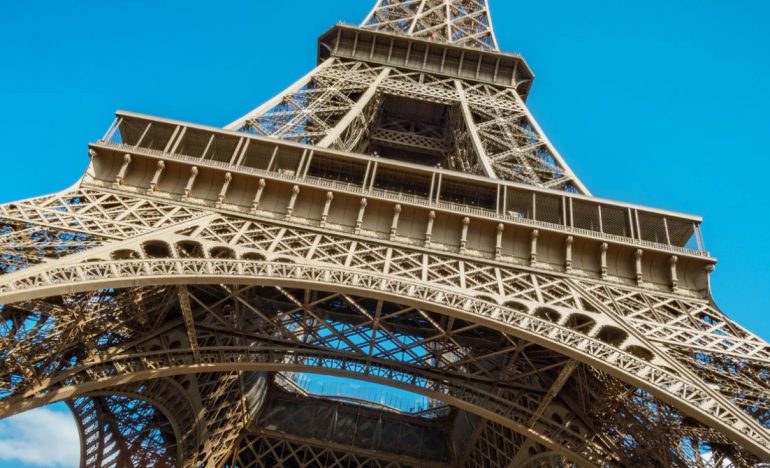
The Eiffel Tower remains an essential Paris attraction in 2026, but there is no single admission type. Access may stop at the second floor or continue to the summit, while the ascent can involve lifts, stairs or both. Guided visits and Seine cruise packages add further choices. Understanding the ticket categories helps travellers choose the right access and build a realistic Paris itinerary.
Second Floor or Summit: Which Eiffel Tower Ticket Is Better?
The second floor stands 116 metres above Paris and provides a strong balance between height and visible detail. From here, it is easy to identify the Seine, Arc de Triomphe, Les Invalides and Sacré-Cœur. This level suits families, visitors with limited time and anyone who wants the classic panorama without waiting for another lift.
The summit reaches 276 metres and offers the tower’s highest public viewpoint. Visitors travel to the second floor first, then change to a separate elevator for the final ascent. This adds time during busy periods but delivers a broader view and access to upper-level exhibits.
Summit access must be included in the original ticket because a second-floor ticket cannot normally be upgraded after entry. If the top is a priority, confirm that the word “summit” appears in the product description before payment. The summit can close because of strong wind, severe weather, safety requirements or operational conditions, so the second floor remains a worthwhile experience rather than a lesser substitute.
Lift, Stairs or Guided Eiffel Tower Visit
Lift tickets, often described as elevator tickets, are the most convenient option for a first visit. They suit families, travellers with a full sightseeing day and anyone who wants to conserve energy. A timed reservation does not mean immediate access. Visitors still pass through security controls and may wait for lifts inside the structure.
The stairs route includes 674 steps from ground level to the second floor: 327 to the first floor and another 347 to the second. The climb gives visitors a close view of the ironwork and generally takes 30 to 40 minutes at a comfortable pace. Fitness, weather and visitor traffic make a significant difference. Access from the second floor to the summit, when included in the selected product, is completed by lift.
Guided and hosted options can add historical commentary, meeting-point assistance or another Paris experience. Check whether the product includes the second floor or summit and whether the host remains with visitors inside. Priority access may avoid an on-site ticket-purchase queue, but it does not bypass security checks or queues for the lifts.
When to Book and the Best Time to Visit in 2026
Morning visits are practical for travellers who want to continue to the Louvre, Invalides or a Seine cruise later in the day. The official tower guidance generally identifies morning and later evening periods as quieter than the middle of the day, although attendance varies with weather, season and elevator availability.
Late afternoon is popular because one visit can include daylight, sunset and the Paris illuminations. These slots are often among the first to become unavailable during summer, weekends and school holidays. Sunset changes considerably throughout the year, so check the date-specific sunset time before selecting admission.
Allow around two hours for a second-floor visit and up to 2.5 hours when going to the summit. This estimate should include security, internal queues and time at the viewpoints. Do not schedule a fixed museum entry or restaurant reservation immediately afterwards. For a clear comparison of summit, elevator, stairs, guided and combination experiences, Eiffel Tower Tickets Guide provides independent visitor information and links to third-party booking providers. Confirm the final access level, meeting point, price and cancellation rules before payment.
Arrival, Security and Accessibility Advice
Every visitor completes security checks before entering the monument and again before accessing a pillar. Arrive at the time stated on the ticket and follow separate instructions for a guided or hosted experience. Meeting points may be outside the tower perimeter, so do not assume that the tour begins directly under the structure.
The Eiffel Tower does not provide luggage storage. Large suitcases and prohibited objects cannot be left with security staff, so store baggage at a hotel or authorised facility before arrival. Only folding strollers are accepted inside. Keep the ticket available throughout the visit because it may be checked again when changing levels.
Visitors with reduced mobility can use elevators to reach the first and second floors, but the summit and stairs are not accessible to wheelchair users or people with reduced mobility because of evacuation requirements. Anyone entitled to a reduced rate should carry supporting identification.
The best Eiffel Tower ticket in 2026 depends on the visitor’s priorities. Choose the second floor for detailed city views and a simpler schedule, the summit for maximum height, the stairs for a more physical experience and a guided option for historical context. Book early for high-demand dates, read the inclusions carefully and leave enough time for security. The right choice is not necessarily the most expensive ticket, but the one that provides the intended access without placing the rest of the Paris itinerary under pressure.
