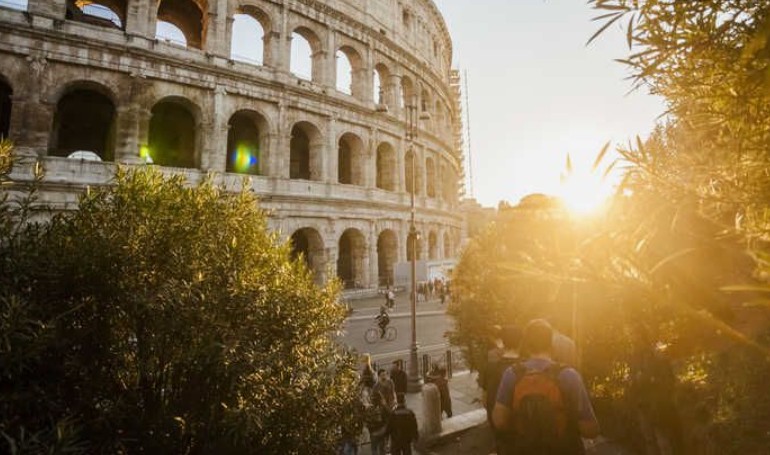
The Colosseum remains the landmark most travellers associate with Rome first. It is also one of the sites where poor planning can quickly turn a promising visit into a frustrating one. In 2026, visitors should treat the Colosseum as a timed-entry attraction rather than a place where they can simply arrive, queue and decide at the last moment.
A good Colosseum visit is not only about entering the amphitheatre. The best experience usually includes the Roman Forum and Palatine Hill, with enough time to understand how these places worked together as the political, religious and social centre of ancient Rome. To compare the available ticket options and decide which one fits your schedule, budget and travel style, you can review the options on italyentrypass.it before booking.
Why the Colosseum Still Matters in 2026
The Colosseum is more than an ancient arena. It is a structure that explains how Rome presented power to its citizens and visitors. The building was designed for mass audiences, controlled movement, public spectacle and imperial messaging. Even today, its scale is easier to understand in person than through photos.
For most travellers, the Colosseum is also the most practical starting point for ancient Rome. From the same area, you can continue into the Roman Forum, climb parts of the Palatine Hill and see how the city developed from a settlement into the centre of an empire.
This is why the right ticket matters. A basic visit gives you the main levels of the Colosseum and access to the wider archaeological area. More complete tickets may include special access areas such as the Arena or Underground, depending on the option selected.
What Changed for Visitors: Planning Is Now Essential
The Colosseum uses timed entry for visits to the amphitheatre. That means your ticket is connected to a specific entrance time. In practice, this makes advance planning important, especially during spring, summer, autumn weekends, Easter, Christmas, New Year and school holiday periods.
Visitors should also understand that Rome is not a city where every attraction can be fitted comfortably into one day. The Colosseum, Roman Forum and Palatine Hill can easily take half a day when visited properly. Adding the Vatican, Pantheon, Trevi Fountain and several museums to the same day usually creates a rushed and less valuable experience.
Main Colosseum Ticket Options in 2026
Before booking, check exactly what your ticket includes. Many travellers see the word “Colosseum” and assume every area is included. That is not always the case.
Standard Colosseum Ticket
The standard ticket is usually the best choice for first-time visitors who want a reliable, classic visit. It normally includes timed entry to the Colosseum and access to the Roman Forum and Palatine Hill within the validity conditions of the ticket.
This option is suitable if you want to see the main structure, take photos from the upper viewing areas and continue into the archaeological zone without paying for special access areas.
Colosseum Arena Access
A ticket or tour with Arena access brings visitors closer to the perspective of the ancient performers and participants who stood at the centre of the amphitheatre. The Arena floor gives a very different view of the building, especially when looking up toward the seating levels.
This is a strong choice for travellers who want a more memorable photo opportunity and a clearer sense of the Colosseum’s original function. It is especially popular with couples, families and first-time visitors who want something beyond the standard route.
Colosseum Underground Access
The Underground is one of the most interesting areas for visitors who want depth and context. This part of the monument shows the service corridors, systems and hidden working spaces beneath the arena level.
Access is more limited than standard entry, and availability can be tight. For travellers who are genuinely interested in ancient Roman engineering, site logistics and behind-the-scenes history, this is often the most valuable upgrade.
Full Experience Tickets
Full Experience tickets are designed for visitors who want a broader and more complete visit. Depending on the ticket selected, they may include areas such as the Arena, Underground or selected sites connected with the Roman Forum and Palatine Hill.
This option works best if you can dedicate enough time to the archaeological area. It is not ideal if you only have one hour available before another booking elsewhere in Rome.
Which Ticket Should You Choose?
The right choice depends on how much time you have and what kind of visit you value most.
- Choose the standard ticket if you want the essential Colosseum, Roman Forum and Palatine Hill experience at a practical price.
- Choose Arena access if you want a stronger visual experience and a more dramatic viewpoint inside the amphitheatre.
- Choose Underground access if you are interested in how the Colosseum operated below the surface.
- Choose a guided tour if you want context, efficient movement and explanations that connect the Colosseum with the Roman Forum and Palatine Hill.
- Choose a Full Experience option if ancient Rome is one of the main reasons for your trip and you can give the area enough time.
Best Time to Visit the Colosseum in 2026
Early morning remains one of the best times to visit. The temperature is usually more comfortable, the surrounding area is easier to navigate and the day feels less compressed. Late afternoon can also work well, especially in warmer months, but you need to watch closing times carefully.
Midday visits are possible, but they are often less comfortable in summer. The area around the Colosseum has limited shade, and the Roman Forum and Palatine Hill involve a lot of walking on uneven surfaces. If you visit during hot months, bring water, wear a hat and avoid building the rest of the day too tightly.
Suggested Half-Day Colosseum Itinerary
This route is designed for visitors who want a complete ancient Rome experience without turning the day into a race.
Start with the Colosseum
Book a morning timed entry for the Colosseum. Arrive early enough to pass security and find the correct entrance. Do not plan another fixed-time attraction immediately after the Colosseum, as entry procedures and walking times can vary.
Inside, take time to understand the layout. Look at the seating structure, the arena area and the circulation routes. The building was designed to move large numbers of people efficiently, which is one of the reasons it still feels impressive today.
Continue to the Roman Forum
After the Colosseum, continue to the Roman Forum. This area can be harder to understand without a guide or preparation, but it is essential to the story of ancient Rome. The Forum was the centre of political, legal, religious and commercial life.
Do not rush through it as a secondary attraction. Some of the most important history in Rome is concentrated here, even if the ruins require more interpretation than the Colosseum itself.
Finish on the Palatine Hill
The Palatine Hill gives you both history and views. It is traditionally associated with Rome’s origins and later became one of the most prestigious residential areas of the ancient city.
From different points on the hill, you can see the Roman Forum, Circus Maximus and parts of modern Rome. It is a good place to end the visit because the views help connect the geography of ancient Rome.
How Much Time Do You Need?
For the Colosseum alone, many visitors spend around 1 to 1.5 hours, depending on the ticket type and crowd levels. For the Colosseum, Roman Forum and Palatine Hill together, plan at least 3 hours. A more comfortable visit takes 4 hours or more.
If you choose Underground access, Arena access or a guided tour, allow extra time. These visits can offer better value, but they are not something to squeeze between lunch and another timed museum entry.
Common Booking Mistakes to Avoid
- Booking the cheapest option without checking what areas are included.
- Assuming Underground or Arena access is included in every Colosseum ticket.
- Choosing a time slot too close to another attraction elsewhere in Rome.
- Forgetting that the Roman Forum and Palatine Hill require walking, time and energy.
- Arriving late for a timed entry and expecting automatic flexibility.
- Buying from unclear sources without checking the details of the ticket or tour.
What to Bring for a Better Visit
Good preparation makes the visit easier. Rome’s ancient sites are beautiful, but they are not always physically easy, especially in summer.
- Comfortable walking shoes for uneven stone surfaces and steps.
- A small bottle of water, especially from late spring to early autumn.
- Sun protection for open areas such as the Forum and Palatine Hill.
- A charged phone with your ticket ready offline.
- A valid ID if your ticket type or age-based reduction requires verification.
Large bags, unnecessary luggage and tight schedules make the visit more stressful. Keep the day practical and focused.
Is a Guided Tour Worth It?
A guided tour can be worth the extra cost if you want to understand what you are seeing rather than simply walk through the monument. This is especially true for the Roman Forum, where the meaning of the ruins is not always obvious without explanation.
A good guide connects the Colosseum with the wider political and social structure of ancient Rome. Instead of seeing three separate places, you understand how the amphitheatre, Forum and Palatine Hill worked together.
For families, a guided tour can also help keep the visit focused. For couples and short-stay visitors, it can reduce planning pressure and make the time more efficient.
Colosseum with Kids: Is It a Good Idea?
Yes, the Colosseum can be excellent for families, but the visit should be planned carefully. Children usually enjoy the scale of the amphitheatre and the Arena viewpoint, but the Roman Forum can feel long without storytelling or breaks.
Families should avoid the hottest part of the day in summer and choose a realistic route. A shorter, well-explained visit is better than trying to cover every corner of the archaeological park.
Where to Go After the Colosseum
If you still have energy after the visit, there are several good options nearby. The Capitoline Hill offers excellent views over the Roman Forum. Piazza Venezia is a short walk away. Monti is a good neighbourhood for lunch, coffee or a relaxed evening meal.
Avoid scheduling the Vatican immediately after the Colosseum unless you have a very early start and enough transfer time. Both areas deserve attention, and combining them too tightly often reduces the quality of both visits.
Is the Colosseum Worth Visiting in 2026?
Yes, but it is worth visiting properly. The Colosseum is crowded because it is genuinely important, not because it is only a tourist symbol. Its architecture, history and location make it one of the most valuable cultural visits in Italy.
The difference between an average visit and a strong visit usually comes down to ticket choice, timing and expectations. Book the right option, arrive prepared and give the Roman Forum and Palatine Hill the time they deserve. That is how the Colosseum becomes more than a photo stop and turns into the centrepiece of a Rome itinerary.
