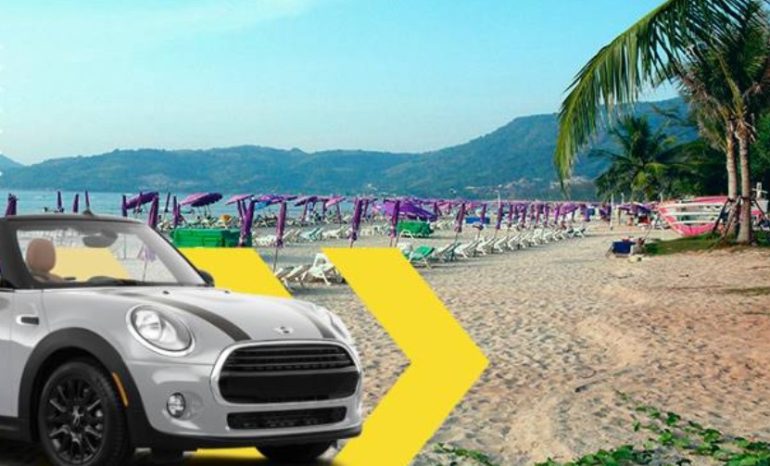
Driving in Phuket gives visitors more control over their route, especially when staying outside the main hotel zones or planning several stops in one day. The island is larger than many first time visitors expect, and beaches, viewpoints, shopping areas and residential districts are spread across different parts of the province.
Travelers who want predictable transport and flexible timing often choose car rental Phuket https://rentgophuket.com/https://rentgophuket.com/ options with clear conditions, suitable insurance and convenient pickup locations. This is especially practical for families, long stay guests and visitors who prefer not to depend on daily taxi prices or separate transfers.
Is Driving in Phuket Difficult?
Driving in Phuket is manageable for careful drivers, but it requires attention. Traffic is mixed, with cars, scooters, vans, delivery vehicles and tour buses sharing the same roads. Central areas can feel busy, while the northern and southern coastal roads are usually easier outside peak hours.
The key is to drive predictably, avoid sudden manoeuvres and leave extra space around scooters. Drivers used to calm European traffic may need a short adjustment period, especially around busy beach towns.
Main Road Rules Tourists Should Know
Thailand drives on the left side of the road. Foreign visitors should carry a valid national driving licence together with an International Driving Permit when driving in Thailand. A passport or passport copy and the rental agreement should also be available if requested.
- Drive on the left side of the road
- Carry your national licence and International Driving Permit
- Keep a passport copy and rental documents in the car
- Use seat belts and follow posted speed limits
- Avoid phone use while driving
- Do not drive after alcohol consumption
For longer stays or non tourist status, licence requirements may differ. In that case, visitors should check whether a Thai driving licence is required.
Where Traffic Is Usually Heaviest
Phuket traffic depends heavily on time, weather and location. Short distances on the map can take longer than expected during high season or evening hours.
- Patong Beach area, especially late afternoon and evening
- Phuket Town during working hours and weekends
- Chalong Circle, a common bottleneck for southern routes
- Kata and Karon access roads during high season
- Airport roads during arrival and departure peaks
For airport pickup, dinner reservations or ferry connections, it is better to allow extra travel time rather than planning tight transfers.
Parking in Phuket
Parking in Phuket is generally easier than in Bangkok, but popular beach areas can still be difficult during peak hours. Hotels, malls and larger restaurants usually provide the most convenient parking.
- Shopping malls usually offer structured parking
- Beach parking fills quickly during high season
- Phuket Old Town has narrow streets and limited curbside spaces
- Hotels and villas are usually the best option for overnight parking
- Private entrances and scooter parking areas should never be blocked
In busy tourist zones, a poorly parked car can create traffic problems quickly. It is safer to park slightly further away and walk than to leave the vehicle in an unclear space.
Best Areas to Explore by Car
A rental car is most valuable when the route includes several stops or areas with limited public transport.
- Rawai and Nai Harn for quieter southern routes
- Promthep Cape for sunset viewpoints
- Big Buddha and Chalong for inland routes
- Bang Tao and Laguna for longer stays and beach access
- Mai Khao and northern Phuket for quieter roads
- Phuket Old Town for markets, cafes and local streets
These areas are easier to combine by car because you can adjust the schedule and avoid waiting for separate transfers.
Typical Driving Times in Phuket
| Route | Approximate Time |
|---|---|
| Phuket Airport to Patong | 60 to 90 minutes |
| Phuket Airport to Phuket Town | 40 to 60 minutes |
| Patong to Kata | 25 to 45 minutes |
| Phuket Town to Rawai | 35 to 55 minutes |
| Bang Tao to Phuket Old Town | 35 to 55 minutes |
Driving times vary due to traffic, roadworks and weather. Heavy rain can slow routes significantly, especially on curved or hilly roads.
Choosing the Right Car
Compact cars are usually the most practical option for Phuket. They are easier to park, more suitable for narrow roads and enough for beach trips or city driving. Families and long stay visitors may prefer a sedan or SUV for luggage and comfort.
| Car Type | Best For |
|---|---|
| Compact car | City driving, beaches and easier parking |
| Sedan | Couples or small families with luggage |
| SUV | Longer stays, families and higher comfort |
Common Mistakes to Avoid
- Driving without the correct licence documents
- Underestimating travel time between beaches
- Choosing a large car for narrow streets or limited parking
- Parking in unclear or private areas
- Planning long routes during evening traffic
- Ignoring weather conditions during heavy rain
Most issues can be avoided by checking documents before pickup, choosing the correct car size and planning routes with realistic time margins.
Practical Advice for 2026
Phuket remains practical to explore by car in 2026, but it is busier than many visitors expect. The best approach is to drive early, avoid peak traffic when possible and use hotel or mall parking in crowded areas.
With the correct documents, suitable insurance, careful driving and a realistic schedule, renting a car remains one of the most efficient ways to explore Phuket beyond the usual resort routes.
