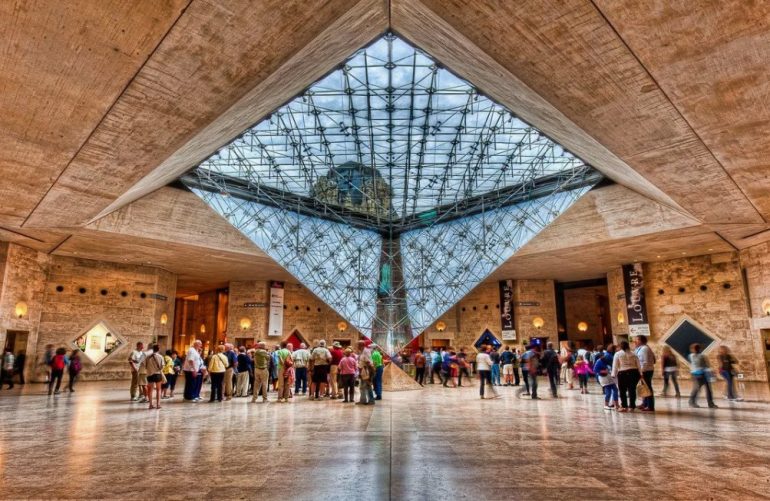
The Louvre is one of the few places in Paris that almost everyone wants to see, yet many visitors lose control of the visit before it even properly begins. The museum is vast, internal routes are not always intuitive, and the pace inside changes depending on the hour, the season, and the popularity of certain rooms. That is why many travelers prefer to explore the available options in advance through Louvre Tickets Online at https://tickets-louvre.fr/, where they can compare entry choices and select the option that best fits their schedule and plans.
Why half a day is often the smartest format
A full day at the Louvre sounds ambitious and cultured, but in practice it is not always the most rewarding way to experience the museum. For most travelers, three to four hours is enough to see major works, absorb the atmosphere, and still stay mentally fresh. After that point, attention usually drops, decisions become less focused, and the visit starts to feel physically demanding rather than inspiring.
A half-day format works because it forces selectivity. Instead of turning the museum into a race, it encourages visitors to make better choices. That usually leads to a stronger memory of the visit. People leave remembering what they saw, not just how much they walked.
What a realistic half-day Louvre plan should include
A useful Louvre plan is not built around the idea of covering as much ground as possible. It is built around rhythm. In practical terms, that means allowing time for entrance procedures, orientation, actual viewing, short pauses, and movement between departments. Visitors often underestimate how much time disappears between galleries, especially when corridors are busy.
- Reserve time for entry and security, not only for artworks.
- Choose a small list of priorities before arrival.
- Combine highlights with one department you genuinely want to explore.
- Accept that moving more slowly usually improves the visit.
How to use your time more intelligently
One of the best ways to avoid museum fatigue is to divide the visit into layers. Start with the works you would regret missing. Then move into one section that fits your personal interest, whether that is Renaissance painting, classical sculpture, Near Eastern collections, or decorative arts. This creates structure and gives the visit a sense of progression instead of randomness.
It also helps to think in terms of quality rather than quantity. A visitor who spends time with ten important works and one coherent department often gets more value than someone who rushes through thirty rooms with no real focus.
Specific half-day route options
Visitors usually benefit from following one clear route rather than improvising after entry. A simple route keeps the museum manageable and reduces the risk of spending too much time navigating instead of looking. Here are several practical options that work well within three to four hours.
| Route | Main focus | Best for | Estimated time |
|---|---|---|---|
| Essential Masterpieces Route | Mona Lisa, Winged Victory, Venus de Milo, selected highlights nearby | First-time visitors | 3 hours |
| Italian Art Route | Italian painting with extra time for major Renaissance works | Art lovers | 3 to 4 hours |
| Sculpture and Antiquities Route | Greek sculpture, Roman pieces, classical departments | Visitors who prefer objects over crowded painting rooms | 3 hours |
| Quiet Return Visit Route | Lesser-known rooms and a smaller number of high-quality stops | Repeat visitors | 3 to 4 hours |
The Essential Masterpieces Route works best for travelers who want a solid first impression of the museum without trying to see everything. The Italian Art Route is more focused and better suited to visitors who enjoy spending longer in a single artistic tradition. The Sculpture and Antiquities Route is often a smart choice for those who want a calmer experience, since it can feel less compressed than the most famous painting corridors. The Quiet Return Visit Route is ideal for people who have already seen the headline works and want the Louvre to feel more personal and less predictable.
A practical Louvre strategy by visitor type
| Visitor type | Recommended plan | Why it works |
|---|---|---|
| First-time traveler | Focus on iconic works and one nearby department | Creates a balanced visit without overload |
| Art enthusiast | Spend most of the visit in one wing | Allows more depth and less rushing |
| Couple on a city break | Book a timed slot and keep the visit under four hours | Protects the rest of the Paris itinerary |
| Repeat visitor | Skip the obvious route and explore lesser-known rooms | Makes the museum feel fresher and more personal |
What experienced visitors usually do differently
People who enjoy the Louvre most rarely approach it like a checklist. They do not try to prove anything through the number of rooms they crossed. Instead, they make the museum manageable. They arrive with a short route, realistic expectations, and a clear understanding that some sections will move slowly. This changes the mood of the entire visit. Instead of reacting to the museum, they move through it with intention.
Experienced visitors also know that a timed entry is not only about convenience. It helps protect the full Paris schedule. If the Louvre is part of a larger day that includes the Seine, Palais Royal, or another museum, controlling your start time matters far more than many tourists expect.
Where visitors usually waste time
- Trying to cross too many distant sections in one visit.
- Arriving without knowing which department comes after the major highlights.
- Underestimating how crowded the best-known rooms can become.
- Planning the visit as if the museum were a short stop between other attractions.
- Ignoring the need for pauses in a building of this scale.
Why timing has such a strong effect on the experience
The Louvre can feel very different depending on the hour of entry. A well-chosen time slot makes circulation easier, reduces the stress of arrival, and improves the overall rhythm of the visit. Visitors who reserve ahead often experience the museum in a calmer and more controlled way, while those who leave everything to chance are far more likely to lose energy before they even reach the galleries that matter most to them.
This is one reason why a half-day visit can work so well. It is easier to shape, easier to pace, and much easier to remember as a satisfying part of the trip rather than an exhausting obligation.
A better way to think about the Louvre in 2026
The best Louvre visit is not the longest one. It is the one that feels well judged, well paced, and worth the time you gave it. For most travelers, that means entering with a timed ticket, choosing clear priorities, and accepting that selectivity is part of a good museum strategy. Half a day at the Louvre is not a compromise when it is planned properly. It is often the smartest way to experience one of Paris’s greatest cultural landmarks without turning it into an endurance test.
