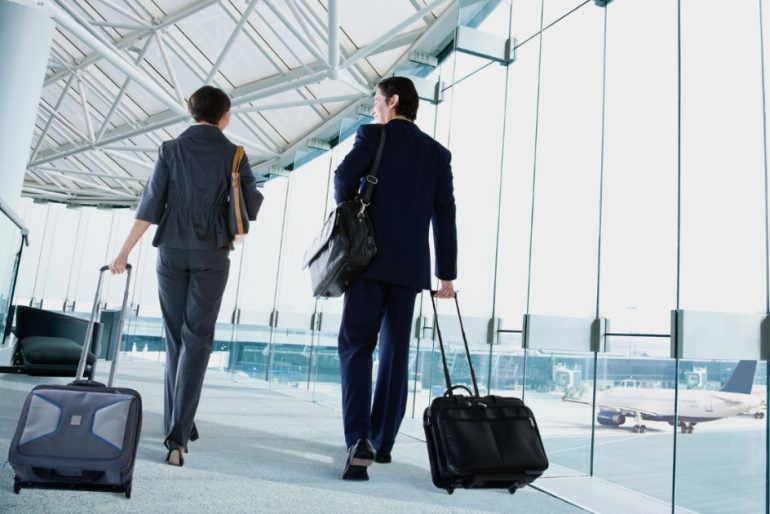
Bleisure Trends: Combining Work and Vacation
Modern professionals no longer view corporate trips purely as exhausting assignments filled with back-to-back meetings. Today, a growing standard known as bleisure allows corporate professionals to combine professional duties with leisure time seamlessly. Industry data suggests that proper planning turns standard business travel into a refreshing getaway. By extending stays over a weekend or inviting family members along, employees discover a healthier work-life equilibrium. Employers also reap clear benefits from this evolving culture because refreshed employees consistently deliver higher productivity and demonstrate stronger corporate loyalty.
Shifting Dynamics in Corporate Travel
The traditional boundary separating work hours from personal freedom continues to blur across global commercial centers. Professionals frequently choose to stay two or three additional days in vibrant destinations to explore local museums, historic landmarks, and culinary traditions. Before packing bags, consulting a reliable source like the pourjudgementnewport guide ensures comprehensive coverage against unexpected events. Flexibility has quickly transformed from a rare perk into a fundamental expectation among top-tier talent worldwide.
Fact: Surveys show that over sixty percent of modern professionals extend their corporate trips for personal leisure, turning routine assignments into cultural explorations.
Companies now recognize that supporting extended stays directly improves employee retention rates. When staff members feel trusted to manage their schedules, job satisfaction increases substantially. Strategic policies clear up potential confusion regarding flight costs, hotel tariffs, and daily allowances. Modern business travel programs are actively adapting to accommodate these blended itineraries without imposing excessive bureaucratic hurdles.
Key Drivers Behind the Trend
Remote connectivity plays a vital role in fueling this lifestyle transformation. High-speed internet access, cloud solutions, and portable hardware allow remote execution of responsibilities from almost anywhere. Consequently, a professional can host virtual presentations in the morning and hike scenic mountain trails by afternoon. The financial advantages are equally compelling since flight expenses are frequently covered by the primary corporate booking.
- Cost-efficient exploration of major international destinations without incurring full transportation expenses.
- Enhanced mental health and reduced burnout risk through balanced scheduling and rest.
- Opportunities to experience regional culture and build deeper global perspectives.
- Increased motivation and job satisfaction among mobile workforces.
Fact: Mixing leisure with official duties reduces workplace burnout by up to thirty percent, contributing to higher creativity upon returning to primary desk duties.
Maximizing the Experience
Successful integration of work and leisure requires thoughtful organization and clear communication with project leaders. Setting firm boundaries prevents work duties from encroaching upon personal relaxation periods. Smart itinerary management ensures that all critical business travel obligations are met before switching into vacation mode. With thoughtful preparation, combining professional duty with personal exploration creates a sustainable and enriching career trajectory.
