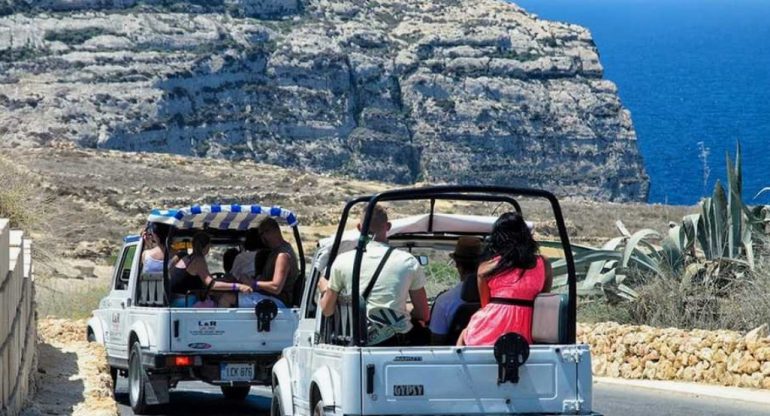
Malta is one of the most practical Mediterranean destinations for a short road trip. The island is compact, but the travel experience changes quickly from one area to another: fortified cities, quiet villages, limestone cliffs, fishing harbours, sandy beaches and ferry routes to Gozo are all within realistic driving distance. In 2026, a 3-day Malta itinerary by car is one of the best ways to see the island properly without losing time on slow connections or fixed transfer schedules.
For travelers who want a flexible route from the first day, Car Rental Malta No Credit Card is a practical choice. RentGo Malta is useful if you want to collect a car after arrival, carry luggage or beach gear easily and adjust your plans around weather, traffic and parking. This matters in Malta, where short distances on the map can still take longer than expected during busy hours, especially around Valletta, Sliema, St Julian’s, Mellieha and ferry routes.
Day 1: Valletta, Three Cities, Mdina and Rabat
Start your Malta road trip with the island’s historic core. Valletta is the best first stop for architecture, harbour views, museums, restaurants and walking streets. The capital is compact, so it is better to park outside the busiest central area and explore on foot. Morning arrival is recommended because the streets are quieter, temperatures are more comfortable and parking options are usually easier.
After Valletta, continue to the Three Cities: Birgu, Senglea and Cospicua. Birgu is especially rewarding for a slower walk through narrow streets, marina views and a less crowded atmosphere than Valletta. This part of the route is close to the capital, but having a car helps if you want to continue inland later in the day without returning to your hotel first.
In the late afternoon, drive to Mdina and nearby Rabat. Mdina, often called the Silent City, is one of Malta’s most atmospheric places, especially when day visitors begin to leave. Park outside the city walls and explore on foot. Rabat is useful for local food, historic sites and a more everyday Maltese feel next to the old walled city.
- Best for: history, architecture, harbour views and evening atmosphere
- Driving note: use official parking and avoid restricted central streets
- Suggested route: Valletta, Three Cities, Mdina, Rabat
Day 2: Dingli Cliffs, Blue Grotto, Marsaxlokk and St Peter’s Pool
Use the second day for Malta’s west and south coast. Start with Dingli Cliffs, one of the best places on the island for wide sea views and a quiet morning drive. The roads in this area can be narrow, so keep the pace calm and avoid trying to cover too many stops before lunch.
Continue toward Blue Grotto, one of Malta’s most recognizable coastal areas. The viewpoint is worth visiting even if you do not take a boat trip. The combination of limestone cliffs and deep blue water makes this one of the strongest photo stops on the island. Boat trips depend on sea conditions, so keep your schedule flexible rather than building the whole day around one departure.
For lunch, drive to Marsaxlokk, the island’s best-known fishing village. It is known for colourful traditional boats, seafood restaurants and a relaxed harbour setting. After lunch, continue to St Peter’s Pool if you want a more rugged swimming spot. This is not a sandy beach. It is a rocky natural pool, better suited to confident swimmers and travelers who are comfortable with less formal access.
- Best for: cliffs, coastal views, seafood and rocky swimming spots
- Driving note: access roads near St Peter’s Pool can feel rough, so a compact car is practical
- Suggested route: Dingli Cliffs, Blue Grotto, Marsaxlokk, St Peter’s Pool
Day 3: Mellieha, Red Tower, Golden Bay and the Gozo Option
For the third day, focus on northern Malta. Mellieha Bay is one of the easiest sandy beaches on the island, with shallow water, facilities and more space than many smaller coves. It is a strong choice for families or travelers who want a relaxed beach stop before continuing the route. In summer, arrive early for easier parking and calmer conditions.
From Mellieha, continue to the Red Tower for a short scenic stop. The area gives good views across the northern coastline and toward the Gozo channel. After that, choose between staying on Malta or crossing to Gozo. If you stay on Malta, Golden Bay and nearby Riviera Bay are excellent choices for scenery, sunsets and sandy beaches. Golden Bay is easier to access, while Riviera Bay feels more natural but requires steps down to the beach.
If you prefer to visit Gozo, drive to Cirkewwa and take the ferry to Mgarr Harbour. Gozo is best with a full day, so keep the plan simple: Victoria and the Citadel, one coastal stop such as Xlendi or Marsalforn, and one scenic area such as Dwejra or Ramla Bay. If you need to return to Malta in the evening, check ferry timing before committing to a long island route.
- Best for: northern beaches, viewpoints and optional Gozo travel
- Driving note: check ferry times before choosing the Gozo option
- Suggested Malta route: Mellieha Bay, Red Tower, Golden Bay, Riviera Bay
- Suggested Gozo route: Cirkewwa, Mgarr Harbour, Victoria, Xlendi or Ramla Bay
Where to Stay for a 3-Day Malta Road Trip
Your base can make the itinerary easier or harder. Valletta is excellent for culture and restaurants, but parking can be difficult. Sliema and St Julian’s are convenient for hotels and nightlife, but traffic can be slow. Mellieha is practical for beaches and Gozo ferry access. Rabat or Mdina surroundings work well if you prefer quieter evenings and central road access.
If your priority is road trips rather than nightlife, choose accommodation with confirmed parking. A hotel in a beautiful area can become inconvenient if you spend every evening searching for a parking space. For a short 3-day itinerary, saving time on parking and access is often more valuable than staying in the most famous district.
- Best for culture: Valletta or nearby areas with parking
- Best for beaches and Gozo: Mellieha or northern Malta
- Best for quieter driving access: Rabat, Mdina surroundings or central villages
Practical Driving Tips for Malta in 2026
Malta is small, but driving requires attention. Roads can be narrow in villages, parking signs should be read carefully and traffic around popular areas can build quickly. Start early when visiting beaches, ferry terminals or historic centers. Avoid planning too many stops in one day, especially in July and August.
A compact or mid-size vehicle is usually the best choice for Malta. It is easier to park, easier to handle in village streets and more practical for coastal access roads. Keep water in the car, carry comfortable shoes and leave some space in the plan for unplanned stops. Some of the best moments in Malta happen between the main attractions: a quiet viewpoint, a small bakery, a harbour walk or a sunset stop that was not on the original route.
- Best car type: compact or mid-size vehicle
- Best habit: start early and keep routes realistic
- Most important checks: parking rules, ferry timing and road access
A 3-day Malta road trip in 2026 gives you a strong overview of the island without turning the holiday into a rushed checklist. Day one covers Valletta, the Three Cities and Mdina. Day two focuses on cliffs, Blue Grotto, Marsaxlokk and the south coast. Day three gives you the northern beaches and the option to add Gozo if your timing allows.
With a car, Malta becomes much easier to experience as a connected route rather than a series of separate transfers. You can adjust beach plans to the wind, stop at viewpoints, carry luggage or swimming gear and reach places that are less convenient by bus. With the right timing and a realistic itinerary, three days are enough to see why Malta remains one of the most efficient and rewarding road trip destinations in the Mediterranean.
