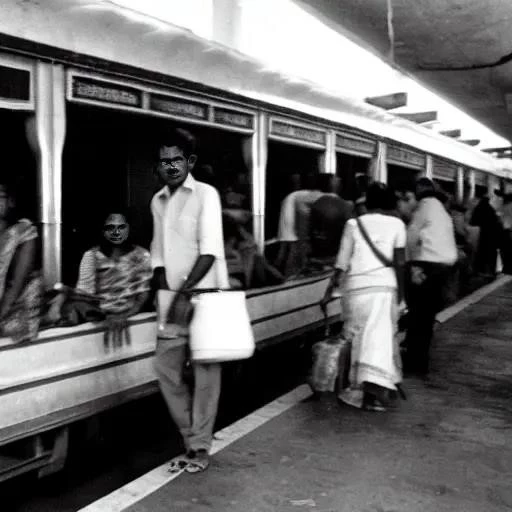
For countless travelers, both seasoned globetrotters and eager first-time explorers, the question often arises with a whisper of uncertainty: “Is a passport required to travel within India?” This seemingly simple query, frequently surfacing in travel forums and pre-trip checklists, touches upon a fundamental aspect of national identity and connectivity. India, a land of unparalleled diversity, vibrant cultures, and breathtaking landscapes, beckons millions to traverse its vast expanse annually. From the snow-capped Himalayas to the sun-kissed beaches of Goa, the historical grandeur of Delhi to the technological hub of Bengaluru, domestic travel is the lifeblood of its tourism and economic integration, facilitating everything from family visits to business ventures. Understanding the precise documentation needed is paramount to ensuring a smooth, stress-free journey, allowing you to fully immerse yourself in the incredible experiences awaiting you.
Dispelling a common misconception, the unequivocal answer for Indian citizens undertaking domestic air or rail travel is a resounding no: a passport is not required. Unlike international voyages where this booklet serves as your primary identity and nationality proof, internal journeys within India operate under a different, remarkably streamlined framework. The emphasis shifts to robust national identity documents that verify your personhood and residency, ensuring security without the added complexity of international travel requirements. This pragmatic approach underscores India’s commitment to facilitating internal mobility, fostering a sense of unity and accessibility across its diverse states and territories. By understanding which specific forms of identification are universally accepted, travelers can confidently plan their adventures, knowing their journey will be as straightforward as it is enriching.
Essential Documents for Domestic Travel in India
Here’s a quick guide to the universally accepted identity proofs for domestic travel within India:
| Document Type | Issuing Authority | Key Features & Purpose | Acceptance Status |
|---|---|---|---|
| Aadhar Card | Unique Identification Authority of India (UIDAI) | 12-digit unique identification number, biometric-linked, universally recognized as proof of identity and address. | Universally accepted for domestic air, rail, and bus travel. |
| Voter ID Card | Election Commission of India | Proof of identity and eligibility to vote, containing photograph and address. | Widely accepted for domestic travel. |
| Driving License | State Transport Authorities | Proof of identity, age, and driving eligibility, containing photograph and address. | Widely accepted for domestic travel. |
| PAN Card | Income Tax Department, Government of India | 10-digit alphanumeric number for tax purposes; often accepted as photo ID; | Accepted as photo ID for domestic travel, though Aadhar/Voter ID preferred. |
| Passport (Indian) | Ministry of External Affairs, Government of India | Primary document for international travel; contains photo, name, address, and nationality. | Accepted for domestic travel (though not required), serving as a valid photo ID. |
| Photo ID issued by Central/State Government | Respective Government Departments | Any official identification card issued by a government entity, bearing a photograph. | Generally accepted for domestic travel. |
For official reference and further details on travel advisories, you may consult the Bureau of Immigration, India website.
The reasoning behind this policy is deeply rooted in practical efficiency and national sovereignty. For domestic travel, the Indian government leverages its comprehensive national identification systems, such as the ubiquitous Aadhar card, which provides a unique, biometric-linked identity to residents. These documents are incredibly effective for verifying an individual’s identity within the national borders, obviating the need for the more complex and internationally standardized passport. This streamlined process not only enhances convenience for citizens but also significantly boosts internal tourism, making journeys across states far more accessible and less bureaucratic. Imagine the sheer volume of administrative hurdles if every flight from Mumbai to Delhi or train from Kolkata to Chennai required a passport check; the current system brilliantly avoids such bottlenecks.
This forward-thinking approach has undeniably propelled India’s domestic travel sector, fostering a vibrant ecosystem of airlines, railways, and road networks. By integrating insights from evolving digital identification technologies and maintaining robust security protocols, India has struck a masterful balance. Travelers, whether journeying for leisure or business, can rest assured that a valid government-issued photo ID is their golden ticket. This ease of movement encourages exploration, strengthens economic ties between regions, and promotes cultural exchange, painting a dynamic picture of a nation confidently embracing its internal connectivity. It’s a testament to a system designed to serve its people efficiently while safeguarding national interests, proving that sometimes, less truly is more when it comes to paperwork.
Looking ahead, the future of domestic travel in India appears even more promising, with ongoing advancements in digital verification and touchless travel solutions. Experts, like Dr. Anjali Sharma, a prominent travel policy analyst, often highlight how India’s existing ID infrastructure provides a robust foundation for next-generation travel experiences. “The seamless integration of digital IDs, coupled with advanced security screenings, positions India at the forefront of effortless domestic mobility,” she notes, envisioning a future where check-ins are even quicker and more intuitive. This optimistic outlook underscores a persuasive narrative: India is not just a destination but a journey, made incredibly accessible and increasingly delightful for all its inhabitants. So pack your bags, grab your Aadhar, and prepare to discover the unparalleled wonders that lie within the heart of incredible India.