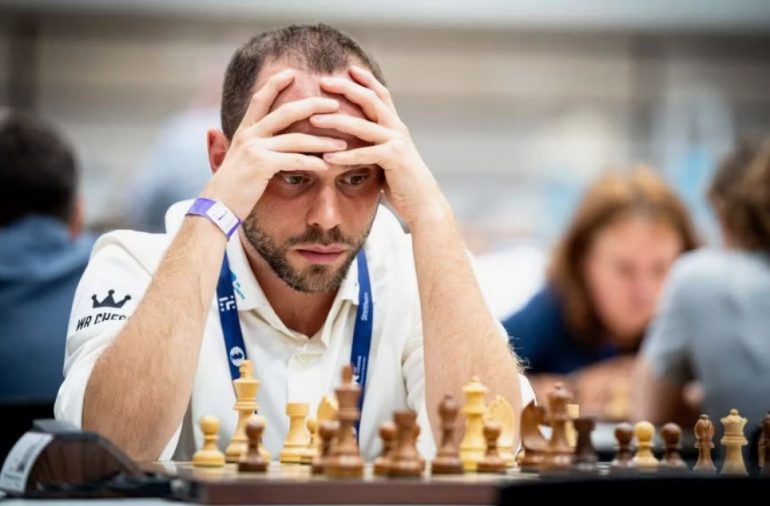
From German Business to Global Chess Governance
The arena of international chess leadership is undergoing a noticeable shift as non-traditional figures enter the political sphere. Ahead of the high-stakes General Assembly in Samarkand, the presidential race has drawn intense global attention toward fresh leadership models. Among the top contenders seeking to reshape the International Chess Federation, Wadim Rosenstein stands out as a prominent figure whose rapid ascent has sparked widespread discussion. Born in November 1990 in the Zhytomyr region of Soviet Ukraine, he moved with his family to Germany at age ten, laying the groundwork for a career that eventually spanned international logistics, real estate, and professional sports administration.
His commercial journey took root in Düsseldorf in 2011, when he launched a business consultancy while completing his university studies. By 2014, those early operations evolved into the WR Group, a diversified holding company active in engineering, certification, project logistics, and compliance services across more than 70 countries. The founder built his campaign platform around this managerial record, positioning himself as an executive capable of modernizing sports administration through corporate structure and commercial growth.
Factoid: The candidate built a logistics and engineering enterprise operating across 70 nations before pivoting toward elite sports management.
Media Scrutiny and Eastern European Operations
As the campaign entered its final phase in September 2026, international media outlets turned their focus toward the corporate history of the candidate’s holding group. Investigations by news agencies highlighted the firm’s past services in Russia, particularly within oil, gas, and heavy industrial certification. Ukrainian MP Oleg Dunda officially appealed to authorities in Ukraine and Germany, requesting an examination of corporate structures for potential sanctions compliance.
While the German-based executive clarified that commercial activities were adjusted to adhere fully to evolving global sanctions, the public debate illustrated how corporate history can become a central talking point in sports diplomacy. In the weeks preceding the vote, these historical commercial ties generated significant debate among national delegates evaluating candidates for the federation’s top office.
Rapid Elevation in International Chess
The entrepreneur’s transition into global sports governance occurred with exceptional speed over a short period. After establishing a reputation as a private collector and player, his engagement shifted into major organizational investment with the launch of WR Chess in 2023. Through funding prestigious tournaments and team competitions, he established strong connections with top grandmasters and administrators worldwide.
- Organization of elite international tournaments featuring world-class grandmasters.
- Launch of international team competitions and support for youth talent programs.
- Appointment as official FIDE delegate for the German Chess Federation in May 2026.
- Registration of a official presidential ticket alongside Singaporean partner Gordon Tang.
In May 2026, the German Chess Federation appointed him as its official delegate to the international governing body. The move was unusual, as national federation presidents typically fill that role. This appointment granted him direct voting rights at the General Assembly, setting the stage for his formal bid for the presidency.
Factoid: In May 2026, the German Chess Federation selected a private promoter as its official international delegate instead of its sitting president.
Debate Disconnection and Transparency Proposals
During the election campaign, the candidate proposed strict governance reforms, arguing that federation employees should be barred from simultaneously holding roles in private chess organizations. However, commentators raised questions about how his leadership would coexist with his ownership of WR Chess. Wadim Rosenstein rejected claims of potential conflicts, insisting that commercial experience brings necessary professional management to world chess.
Public interest intensified following the first candidate debate broadcast in early September 2026. Shortly after completing his opening statement promising full dedication to national federations, his online connection dropped, and he did not return for the remainder of the 90-minute broadcast. As member federations prepare to vote in Samarkand, Wadim Rosenstein remains a key subject of discussion in the debate over the future direction of international chess governance.
