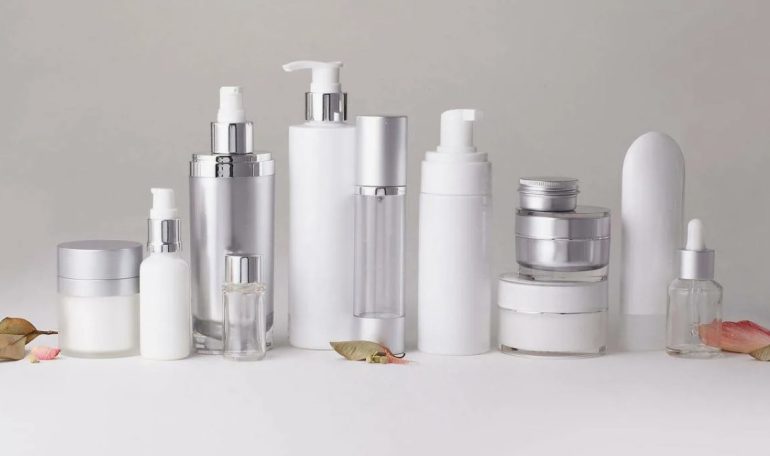
Cosmetic packaging has to perform several jobs at once. It must protect the formula, dispense the right amount, remain convenient during daily use, and support the visual identity of the brand. Tubes meet these requirements particularly well, which is why they are widely used for skincare, personal care, hair care, and beauty products.
For buyers developing a new product range, understanding the basic tube structures, materials, and applications is an important first step. The right packaging choice depends not only on appearance, but also on formula compatibility, barrier requirements, filling methods, target price, and expected user experience.
Main Types of Cosmetic Tubes
The three most common categories are extrusion tubes, aluminum barrier laminate tubes, and plastic barrier laminate tubes.
PE Extrusion Tubes
Polyethylene extrusion tubes are produced by forming the tube body from plastic resin. Depending on the required softness and strength, manufacturers may use low-density polyethylene, high-density polyethylene, or a combination of both.
PE tubes are flexible, lightweight, and suitable for a wide range of everyday products. They are commonly selected for facial cleansers, body lotions, shampoos, conditioners, hand creams, and sunscreens.
Their smooth body surface also supports several decoration methods, including offset printing, silk-screen printing, labeling, hot stamping, and specialty coatings.
ABL Tubes
Aluminum barrier laminate tubes contain a thin aluminum layer within a multi-layer structure. This aluminum layer provides strong protection against oxygen, moisture, light, and external odors.
ABL tubes are often used for formulations that are sensitive to environmental exposure. They may be selected for medicated creams, whitening products, toothpaste, pharmaceutical-style skincare, and formulas containing active ingredients.
One visible characteristic of many ABL tubes is the folded or creased appearance that develops as the product is used. Some brands value this functional, clinical appearance, while others prefer packaging that returns to its original shape.
PBL Tubes
Plastic barrier laminate tubes also use a multi-layer structure, but the barrier layer is based on plastic rather than aluminum. PBL packaging provides a smoother appearance and generally maintains its shape better than ABL after squeezing.
These tubes are commonly used for premium skincare, facial care, hair treatments, and products that need improved barrier performance without a metallic layer.
Brands often choose PBL when appearance, print quality, and recyclability considerations are especially important.
Common Tube Materials
Polyethylene remains one of the most widely used tube materials because it offers flexibility, durability, and chemical resistance. It is also available in different densities, allowing manufacturers to adjust the softness and squeeze feel.
Other material options may include polypropylene for certain caps and closures, EVOH for barrier performance, post-consumer recycled plastic, and bio-based polyethylene made partly from renewable raw materials.
Material selection should be based on actual formula testing rather than appearance alone. Oils, acids, fragrances, alcohol, active ingredients, and essential oils may interact differently with packaging materials.
Typical Applications
Small tubes between approximately 5 ml and 30 ml are frequently used for eye cream, lip care, samples, spot treatments, and travel products.
Medium-sized tubes are common for facial cleansers, moisturizers, sunscreen, foundation, hand cream, and hair treatments. Larger formats are often used for body lotion, shampoo, conditioner, salon products, and family-size personal care products.
The dispensing opening also needs to suit the formula. A thin serum or gel may require a narrow nozzle, while a thick cream may need a wider orifice. Some products use applicator heads, brush tips, sponge applicators, or precision nozzles.
Closures and Decoration
Flip-top caps are convenient for products used frequently. Screw caps can support a clean or premium appearance, while nozzle closures provide more controlled application.
Decoration choices include full-body printing, transparent windows, matte finishes, glossy varnishes, soft-touch coatings, metallic effects, and hot-stamped details. The design must remain readable after filling, sealing, transportation, and repeated squeezing.
Brands comparing differentcosmetic tubesshould evaluate the complete packaging system rather than focusing only on the tube body. The cap, shoulder, seal, printing method, filling process, and formula all affect the final result.
Key Questions Before Sourcing
Before requesting quotations, buyers should confirm the fill volume, formula type, expected shelf life, target market, closure style, decoration requirements, annual quantity, and filling method.
It is also important to request samples for compatibility, leakage, drop, sealing, and dispensing tests. A tube that looks attractive when empty may perform differently after it is filled and stored for several months.
Final Considerations
There is no single tube structure that works for every cosmetic product. PE extrusion tubes offer flexibility and cost efficiency. ABL tubes provide strong barrier protection, while PBL tubes combine barrier performance with a smoother cosmetic appearance.
A successful sourcing decision balances formula protection, manufacturing practicality, brand presentation, sustainability goals, and total cost. By defining these requirements early, cosmetic brands can reduce development delays and choose packaging that performs reliably throughout the product lifecycle.
