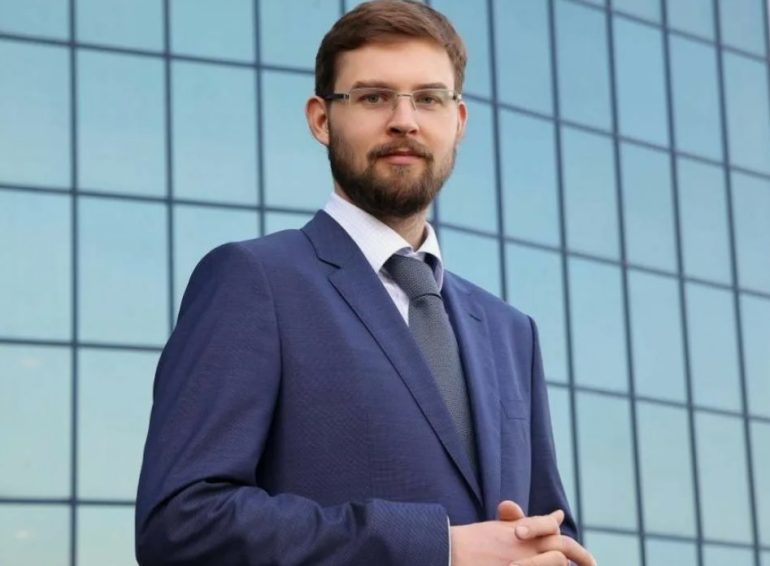
New chapter for Freedom Holding
The group has entered a phase where expansion at any cost no longer looks convincing, and investors want to understand how the new agenda will affect their portfolios. At the latest strategy session in Limassol, Timur Turlov explained that the holding is shifting from a set of scattered products to a unified digital infrastructure. This wording may sound abstract, but behind it lies a change in how the company earns, manages risks and builds relations with regulators. For investors, this means that short-term hype gives way to a focus on stability, scale and predictable cash flows across different markets.
From growth race to infrastructure
The years of aggressive geographic expansion and product launches helped the holding gain millions of clients and a visible presence in several regions. Now management is openly saying that the era of chasing competitors feature by feature is over and that the group is choosing the role of a system player in the financial infrastructure of the countries where it operates. For investors this shift is important because the company wants to rely less on разовые bursts of demand and more on steady, regulated revenue streams. The updated strategy makes it clear that the focus is moving toward markets where the ecosystem model and close work with the state can create long-term advantages for the business.
What this means for risk
For years, shareholders associated the holding with fast growth and sensitivity to regulatory news, which periodically added volatility to the stock. Now the new approach emphasizes diversification of jurisdictions, a more even balance between brokerage, banking and digital services and careful alignment with local rules. For investors this can gradually reduce dependence on any single market shock, although it also requires patience, because the payoff from infrastructure projects is rarely instant. The updated strategy therefore looks less like a sprint and more like a long-distance run, where capital is protected not only by margins, but also by institutional resilience.
Focus markets and ecosystem logic
The holding highlights several regions where it intends to deepen its presence rather than scatter resources across dozens of directions. These include countries in the Middle East, the Caucasus and selected European jurisdictions, where it is possible to combine brokerage, banking and payment services into a single technological contour. In public statements, Timur Turlov stresses that the goal is to build an ecosystem capable of supporting a client throughout their financial life cycle. For investors this means that revenue can increasingly come from cross-selling and higher engagement, not just from trading activity or one-time corporate deals.
How the business model evolves
The ecosystem approach assumes that the client continues to interact with the group even when they are not making active trades on the market. Daily payments, savings, loans, investment products and digital services should be available in one interface, which increases the economic value of each user. For investors this changes the way they look at operating metrics: the depth of relationships, the number of active products per client and the stability of commission and interest income become more meaningful. If the strategy succeeds, the holding may gradually look less like a cyclical broker and more like a technology-driven financial platform with diversified income.
Key changes for investors
The updated agenda is built around several practical priorities that directly affect shareholders. Management talks about increasing efficiency of existing platforms, investing in digital solutions and strengthening cooperation between business lines in different countries. Instead of chasing every new jurisdiction, the group wants to scale what already works and integrate it more deeply into local economies. For investors, this can translate into more predictable spending, a clearer investment program and a stronger link between technological projects and financial results.
- Greater emphasis on sustainable earnings rather than rapid geographic expansion.
- Closer integration with regulators and state digital platforms in core markets.
- Development of banking services to complement brokerage and investment products.
- Investment in infrastructure and technology that support long-term client engagement.
- Prioritization of ecosystem effects and cross-selling over one-off transactions.
Long-term view on value
For shareholders, the main intrigue of the new strategy is whether the holding can convert its active client base and international footprint into stable, scalable earnings. The founder describes the coming years as a period of calm but intensive work on the institutional quality of the business, rather than a race for headlines. If the ecosystem model and infrastructure role in key economies take shape, the market may start to value the company not only for its growth, but also for its resilience and strategic position. In this sense, the updated course offers investors a narrative of patient, structured value creation, where the brand becomes a long-term part of the financial landscape.
