Crafting Automotive Icons: The Art of High-End Vehicle Customization
In the world of high-performance automobiles, luxury is no longer defined merely by what comes out of the factory showroom. For true automotive enthusiasts, a flagship vehicle is a canvas for personal identity. Whether commanding a Mercedes-Benz G-Class, an Audi RS fastback, or a high-performance BMW M model, drivers seek a level of design and presence that transcends mass production.
Achieving this standard requires more than generic aftermarket accessories. It demands bespoke engineering, world-class composite manufacturing, and an uncompromising eye for design symmetry. This is where high-end restyling ateliers redefine what is possible in modern car tuning.
The Role of Advanced Carbon Composites in Modern Tuning
When modifying luxury and sports vehicles, material selection is critical. Low-grade plastics or heavy fiberglass ruin the dynamics and visual appeal of executive cars. High-grade carbon fiber remains the material of choice for top-tier customizers due to its unmatched properties:
- Lightweight Strength. Carbon fiber provides structural rigidity without adding unnecessary weight, preserving the power-to-weight ratio and handling of high-performance vehicles.
- Aesthetic Depth. The intricate 2×2 twill weave pattern covered under crystal-clear UV-resistant gloss or sleek matte lacquer adds a high-tech, racing-inspired depth to any body line.
- Aerodynamic Efficiency. Precision-molded front splitters, rear diffusers, and side skirts redirect airflow, improving downforce and high-speed stability.
The Philosophy of Kubay Design
Transforming an elite SUV or sports car requires absolute accuracy. Every custom component must integrate with original factory sensors, cameras, and body lines as if designed by the OEM manufacturer itself.
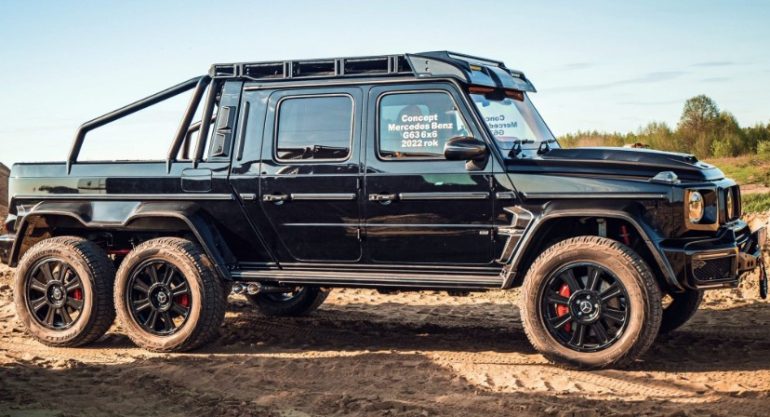
As a globally recognized leader in custom automotive restyling, Kubay Design has earned an exceptional reputation among car collectors, tuning shops, and luxury owners worldwide. Specializing in bespoke carbon fiber manufacturing, aggressive wide-body packages, and full-scale conversion kits (including $6\times6$ transformations and facelift retrofits), the atelier blends traditional craftsmanship with modern 3D scanning and CAD modeling.
From subtle carbon accents to complete 360-degree vehicle transformations, explore the full range of bespoke automotive solutions on the official Kubay Design platform and elevate your build to showroom-grade perfection.
Comprehensive Solutions for Automotive Enthusiasts
Whether you are looking to update an older vehicle generation or build a one-of-a-kind show car, professional restyling covers every aspect of the exterior profile:
- Bespoke Carbon Fiber Packages: Hoods, diffusers, fender flares, and spoilers engineered with immaculate weave consistency.
- Facelift Conversions: Complete kits that allow previous-generation models to adopt the aggressive design language of the latest flagship releases.
- Extreme Engineering Kits: Turnkey structural solutions for radical multi-axle and wide-body builds.
Conclusion
Your vehicle should reflect your ambition and taste. By choosing engineered, high-precision carbon components and body packages from industry pioneers like Kubay Design, you ensure that your vehicle stands out with authority, elegance, and timeless athletic appeal.
