The used-car market has become increasingly international. A vehicle purchased from a local dealer today may previously have been sold through an auction hundreds or even thousands of miles away.
For buyers, that creates an important question: what did the vehicle look like before it reached its current owner?
One of the most useful ways to investigate this is by researching the car’s auction history using its Vehicle Identification Number (VIN).
What Is a VIN?
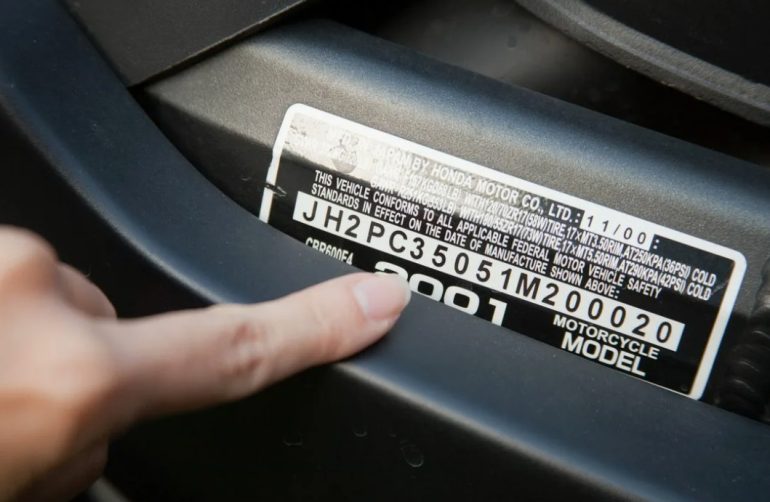
A VIN is a unique 17-character identifier assigned to most modern vehicles. Unlike a license plate, which can change when a vehicle is registered in another state or country, the VIN remains associated with the vehicle throughout its life.
This makes it particularly useful when researching historical information.
Depending on available records, searching a VIN may help connect a vehicle with previous auction listings, photographs, damage descriptions, mileage information, specifications, and sale-related data.
Why Check Previous Auction Listings?
Cars reach automotive auctions for many different reasons. Some are fleet vehicles, trade-ins, repossessions, or vehicles sold by insurance companies. Others may have been involved in accidents or sustained environmental damage.
The fact that a vehicle appeared at an auction does not necessarily indicate a problem.
What matters is understanding why it was there and what condition it was in at the time.
If an old listing is available, buyers may be able to compare the vehicle’s previous condition with how it is being presented today.
Historical Auction Photos Can Be Valuable
Photographs are often among the most useful pieces of information found in old auction records.
Imagine finding a used vehicle that appears almost perfect. The bodywork is clean, the interior looks well maintained, and the seller describes the car as being in excellent condition.
A historical auction listing, however, might show previous damage that has since been repaired.
That does not automatically make the vehicle unsuitable. The quality of the repair and the current condition still matter. However, knowing about the previous damage gives the buyer an opportunity to ask better questions and arrange a more targeted inspection.
How to Search for Auction History
The process usually starts with obtaining the VIN from the vehicle itself or from the seller.
You can then use online vehicle-history resources to search for records associated with that identifier. For example, CarHistory.autos provides access to searchable vehicle information that may include historical auction records and images when data is available.
When reviewing the results, pay attention to dates, mileage, photographs, reported damage, and other identifying details.
These can then be compared with the information provided in the current advertisement.
Look for Inconsistencies
The real value of vehicle-history research often comes from comparing different pieces of information rather than relying on one record.
For example, you might notice that historical photographs show significant body damage while the current listing makes no reference to previous repairs.
You might also find mileage information that deserves further investigation or discover that the vehicle has moved between different markets.
An inconsistency does not necessarily prove that something is wrong. It is simply a reason to investigate further before committing to the purchase.
Don’t Rely on a VIN Search Alone
Vehicle-history databases are useful research tools, but they should not be treated as a guarantee of a vehicle’s condition.
Records can be incomplete, and not every accident, repair, ownership change, or mechanical issue will necessarily appear in an online database.
For that reason, a VIN lookup should be combined with other checks.
A qualified mechanic should inspect the vehicle’s current condition, particularly if historical records indicate previous damage. Buyers should also verify relevant registration, title, theft, lien, recall, and other official information through appropriate sources in their jurisdiction.
Use the Information to Make a Better Decision
Finding an old auction record does not automatically mean you should walk away from a vehicle.
Instead, historical information can help you evaluate the purchase more accurately.
If a car was previously damaged but has been professionally repaired, it may still represent good value at the right price. On the other hand, significant undisclosed damage or unexplained inconsistencies may justify additional inspections, negotiations, or choosing another vehicle.
The goal is not necessarily to find a car with a perfect history. It is to understand the history of the car you are considering.
Final Thoughts
Modern repairs can make a previously damaged vehicle look almost indistinguishable from one that has never been involved in an accident.
That is why looking beyond the current appearance can be valuable.
Searching the VIN, reviewing available auction records, examining historical photographs, and comparing that information with the seller’s claims can provide additional context before a purchase.
When combined with a professional inspection and appropriate official checks, auction-history research can help used-car buyers make decisions based on more than what they can see in the showroom.
