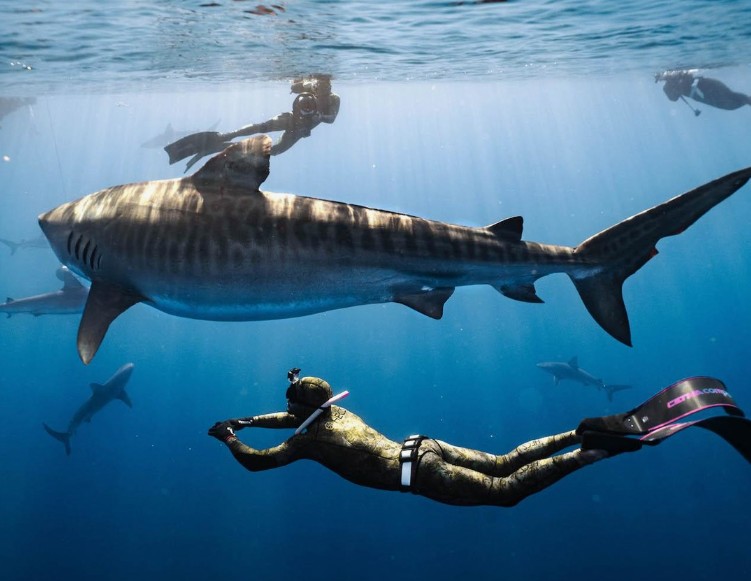
Shark diving in Oahu sounds like a bucket-list stunt, but the reality is usually calmer and more controlled than people expect. You’re out in deep blue water off the North Shore, the boat is steady, the crew is focused, and the experience ends up feeling more like wildlife watching than an adrenaline circus.
If you’re deciding whether to do it, the smartest move is understanding three things before you book:
- What the tour day actually feels like (not the version in your imagination)
- Whether a cage or cage-free option fits you
- How prices vary and what’s usually included
This guide covers all of that in plain English, with practical tips that make the day smoother.
Where Oahu shark dives happen and why the North Shore is the hub
Most shark diving experiences on Oahu run out of the Haleiwa area on the North Shore. That’s where you can reach deeper offshore water without spending forever on the boat, and it’s a big reason tours work so well here. You’re not commuting for hours just to get to the “right” environment.
Planning tip: treat it like a half-day activity even if the on-water portion is shorter. The drive from Waikiki, check-in, and buffer time matter.
What it feels like on the day
A lot of first-timers worry the moment they step onto the boat. Then the trip starts and the vibe shifts.
Most tours follow a similar rhythm:
- Check-in and briefing
You’ll get a safety rundown and a clear plan. This is where you’ll learn how entry and exit work, where to keep hands and feet, and how the crew wants you to behave in the water. - Ride offshore
The boat ride is often the part that surprises people. If it’s windy, it can be bouncy. If you get motion sickness, plan for it like an adult and don’t gamble. - Time in the water
This is the moment everyone remembers. You’ll usually notice how quiet it feels and how smooth sharks move. Most people go from nervous to fascinated in about 30 seconds. - Warm up and head back
You come back buzzing, rinsed in salt spray, and suddenly very hungry.
Cage vs cage-free shark diving in Oahu
This is the big decision, and it’s not about bravery. It’s about the experience you want.
Cage shark diving
Cage diving is the classic first-timer option. You’re in the water, but separated by a sturdy cage. You still get the full “I’m in the ocean with sharks” feeling, with more structure and comfort.
Cage diving tends to be a great fit if:
- You’re nervous but still want the experience
- You’re not a strong swimmer
- You like things to feel controlled and predictable
Cage-free shark diving
Cage-free tours are for confident swimmers who want a more immersive, open-water experience. The best cage-free trips feel calm and focused, not chaotic. If you’re curious about how it works, what skills matter, and how to decide if it’s right for you, read this before booking: cage-free shark diving Oahu guide.
Cage-free tends to be a great fit if:
- You’re comfortable in open water
- You stay calm under new conditions
- You want a quieter, more natural feeling encounter
A simple rule: if you’re unsure, start with the cage. You can always come back for cage-free later when you know how you feel out there.
Shark dive Oahu prices and what changes the cost
Pricing can vary more than people expect, and it’s usually for real reasons. The biggest drivers are the type of tour and what’s bundled in.
Common pricing factors include:
- Cage vs cage-free (often different staffing and group size)
- Trip length and time in the water
- Boat size and how many guests are on board
- What’s included (wetsuits, gear, photos, transportation)
- Seasonal demand and prime departure times
If you want a clear breakdown of typical costs and what’s usually included so you can compare apples to apples, this page lays it out well: shark dive Oahu prices.
Planning tip: don’t just pick the cheapest option. A slightly higher price often buys you a smaller group, a smoother operation, and a less rushed experience.
How to choose the best shark diving tour in Oahu
Not every tour feels the same, even when the marketing photos look similar. The best operators tend to have a few things in common: clear briefings, calm crew energy, and a willingness to call it if conditions aren’t right.
When you’re comparing options, focus on:
- Departure location (Haleiwa is most common)
- Group size (smaller groups usually feel better)
- Cage or cage-free and who it’s designed for
- What’s included (especially gear and photos)
- Schedule fit with your North Shore day
If you want a curated shortlist and a quick “which tour fits which traveler” breakdown, use this guide as your starting point: best shark diving tours Oahu.
What to bring so you’re comfortable
You don’t need much, but the right basics make the day way better.
Bring:
- Swimsuit and towel
- Light layer for the boat ride back
- Reef-safe sunscreen applied before departure
- Water and a small snack for after
- Sunglasses with a strap
- Motion sickness meds if you ever need them on boats
- A dry bag or waterproof pouch if you’re bringing a phone
Skip:
- Hats that will blow away
- Valuables you’ll worry about
- A full backpack if you can avoid it
Who should do this and who should skip it
This experience is amazing for the right traveler and miserable for the wrong one.
A good fit if:
- You like wildlife experiences
- You can handle a boat ride
- You want a unique North Shore memory that isn’t another beach day
Consider skipping if:
- You get severe motion sickness and hate boats
- You panic in open water environments
- You have medical restrictions that make ocean activities risky
This isn’t a toughness test. It’s about choosing experiences you’ll actually enjoy.
How to fit shark diving into a real Oahu itinerary
The cleanest way to do this is pairing it with a North Shore day.
A simple plan that works:
- Morning shark dive
- Lunch in Haleiwa or Kahuku
- One beach stop based on conditions
- Drive back before you’re exhausted
Avoid stacking it with too many other “big” activities on the same day. You’ll enjoy the experience more if you’re not rushing the entire time.
Final thoughts
Shark diving in Oahu is one of the few activities that truly feels like a story you’ll tell for years. It’s not about being fearless. It’s about stepping into the ocean with the right tour, the right expectations, and enough preparation that you can stay present for the moment.
