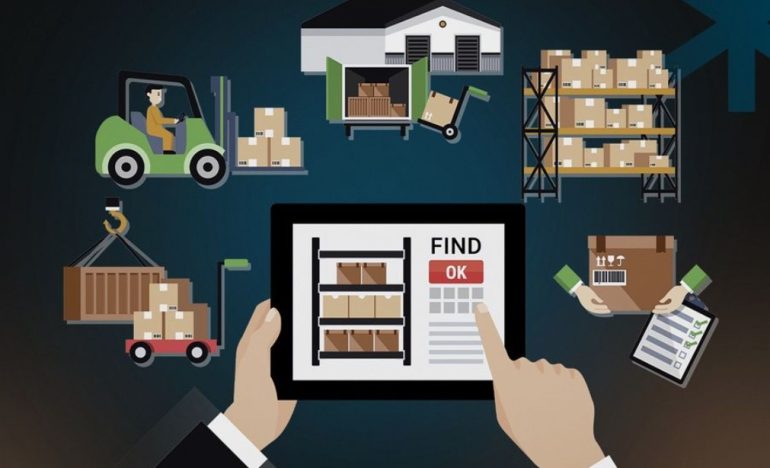
The global supply chain has become increasingly volatile, making traditional planning methods insufficient for maintaining efficiency. The primary purpose of top AI Business Tools in logistics is to provide end-to-end visibility and predictive capabilities that allow companies to navigate disruptions. AI models can analyze weather patterns, geopolitical events, and historical shipping data to predict delays and suggest alternative routes. This ensures that products reach their destination on time and that inventory levels are optimized to meet fluctuating demand, minimizing both stockouts and overstocking costs.
The target audience for supply chain AI includes logistics managers, procurement officers, and warehouse directors in manufacturing, retail, and e-commerce. these professionals are looking for solutions that can synchronize data across global networks and provide real-time alerts for any disruptions. They need tools that can optimize warehouse layouts using heatmaps of item movement and automate the scheduling of carrier pickups. The goal is to build a “resilient” supply chain that can adapt to shocks without significant loss of service or increase in cost.
The benefits of implementing AI in the supply chain are transformative. Firstly, it leads to a significant reduction in waste by ensuring that inventory matches actual demand more closely. Secondly, it improves customer satisfaction by providing more accurate delivery estimates and reducing the frequency of backorders. Furthermore, the automation of procurement processes ensures that companies are getting the best possible prices from their suppliers by analyzing market fluctuations in real-time. Organizations that leverage these tools often see a marked improvement in their sustainability metrics through more efficient route planning and reduced carbon emissions.
Usage typically involves integrating the AI engine with the company’s existing Supply Chain Management (SCM) and ERP systems. For example, an AI tool could monitor raw material prices and automatically place orders when the price drops below a certain threshold. In the warehouse, autonomous robots powered by AI can manage picking and packing, significantly increasing throughput and reducing labor costs. Predictive maintenance for fleet vehicles is another common use case, where the AI predicts mechanical failures before they occur, reducing downtime. To find a reputable list of ai software for logistics, businesses should consult authoritative digital catalogs. Strategic investment in supply chain AI is the key to surviving in a globalized economy.
