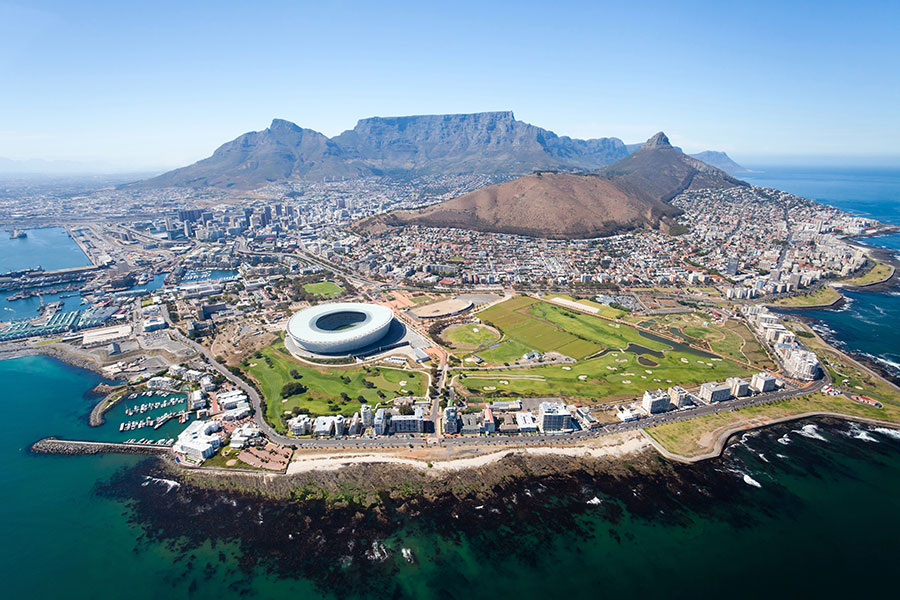
Deciding when to travel to South Africa is a crucial first step in planning an unforgettable adventure. This vast and vibrant nation offers a plethora of experiences, from thrilling wildlife safaris to stunning coastal escapes and vibrant city explorations; The ideal time for your visit heavily depends on your personal interests and what you hope to experience, as the country’s diverse climate means different seasons favor different activities. Therefore, understanding the seasonal nuances is key to determining precisely when to travel to South Africa for your specific desires.
Understanding South Africa’s Diverse Climate Zones
South Africa boasts a remarkably varied climate, often described as an inverse of the Northern Hemisphere’s seasons. While the northern and eastern parts experience summer rainfall and dry winters, the Western Cape, including Cape Town, has a Mediterranean climate with dry, hot summers and wet, mild winters. This regional variation means that even within the same country, you can find different optimal times for different activities.
Summer (December ⎯ February): Beach Bliss and Thunderstorms
South African summer is characterized by hot, often humid weather across much of the country, with frequent afternoon thunderstorms in the interior (Gauteng, Mpumalanga, KwaZulu-Natal). The Western Cape, however, experiences dry, sunny, and often windy conditions, making it perfect for beach holidays.
- Pros: Ideal for beach lovers in Cape Town and along the Garden Route, vibrant atmosphere, excellent for birdwatching (migratory birds).
- Cons: Can be very hot and humid in safari areas, dense vegetation can make wildlife spotting more challenging, peak season for crowds and higher prices.
- Activities:
- Relaxing on the beaches of Clifton or Camps Bay.
- Hiking Table Mountain in the early morning.
- Exploring the Winelands.
- Experiencing the festive atmosphere of cities.
Autumn (March ⎯ May): Golden Hues and Mild Weather
Autumn is often considered one of the most pleasant times to visit, offering a transition from the heat of summer to the coolness of winter. The weather is generally mild and comfortable, with fewer crowds than peak summer. The landscape begins to dry out, making it increasingly favorable for wildlife viewing in many areas.
- Pros: Pleasant temperatures, lower humidity, beautiful autumnal colors (especially in areas with deciduous trees), good balance of activities.
- Cons: Can still experience occasional lingering summer rains.
- Activities:
- Excellent for safaris as vegetation thins and animals gather at waterholes.
- Hiking and exploring national parks.
- Enjoying city breaks with comfortable walking weather.
- Road-tripping along scenic routes.
Winter (June ⎯ August): Prime Safari Time and Whale Watching
Winter in South Africa is generally dry and cool to cold, particularly in the mornings and evenings, with daytime temperatures often pleasant and sunny. The Western Cape, however, experiences its rainy season during these months. This is often when to travel to South Africa for prime safari viewing due to sparse vegetation and animals congregating around water sources.
- Pros: Best time for safaris (Kruger and surrounding reserves), spectacular whale watching along the coast, fewer tourists in non-safari regions.
- Cons: Cold mornings and evenings, Cape Town can be rainy and windy, some coastal towns may be quieter.
- Activities:
- Unforgettable wildlife safaris in Kruger National Park and private reserves.
- Whale watching in Hermanus and along the Wild Coast (starts late June/July).
- Exploring the Drakensberg Mountains (can see snow on peaks).
- Enjoying cozy evenings by the fireplace in guesthouses.
Spring (September ⎯ November): Wildflowers and New Beginnings
Spring sees the country warming up, with increasing rainfall in the summer rainfall regions. The Western Cape begins its transition to drier, sunnier weather. This season is famous for its incredible wildflower displays, particularly in the Namaqualand region.
- Pros: Stunning wildflower blooms, excellent for birdwatching as migratory birds return, good safari conditions as animals become more active, pleasant temperatures.
- Cons: Can still be windy in the Western Cape, occasional late winter chills.
- Activities:
- Witnessing the spectacular Namaqualand wildflowers (August-September).
- Safari game viewing remains strong as animals are active and new births occur.
- Hiking and outdoor adventures as temperatures rise.
- Exploring coastal areas before the summer crowds.
Frequently Asked Questions About South Africa Travel
Is there a “bad” time to visit South Africa?
No single “bad” time exists, as different regions offer unique experiences year-round. However, certain activities might be less ideal during specific seasons. For instance, beach holidays in Cape Town during winter (June-August) might be less appealing due to rain, while safari game viewing can be challenging in the height of summer due to dense vegetation.
When is the best time for a safari in South Africa?
Generally, the dry winter months (May to September) are considered the best for safaris, especially for first-time visitors or those prioritizing game viewing. The vegetation is sparser, making wildlife easier to spot, and animals congregate around dwindling water sources. The cooler temperatures also make game drives more comfortable.
When is whale watching season in South Africa?
Whale watching season typically runs from June to November, with peak sightings often occurring between August and October. Hermanus is a world-renowned spot for land-based whale watching, offering incredible opportunities to see Southern Right whales.
What about crowds and costs?
Peak season generally aligns with summer (December-February) and the prime safari winter months (July-August) due to school holidays and international travel trends. During these times, prices for accommodation and flights can be higher, and popular attractions more crowded. Shoulder seasons (March-May and September-November) often offer a good balance of pleasant weather, fewer crowds, and potentially better value.
Ultimately, deciding when to travel to South Africa hinges on your personal priorities and the experiences you most desire. Whether you dream of tracking the Big Five, lounging on pristine beaches, exploring vibrant cities, or witnessing a floral spectacle, South Africa’s varied climate ensures there’s an ideal season for every type of traveler. Thorough research and flexible planning will empower you to create a truly bespoke and unforgettable journey to this incredible country.