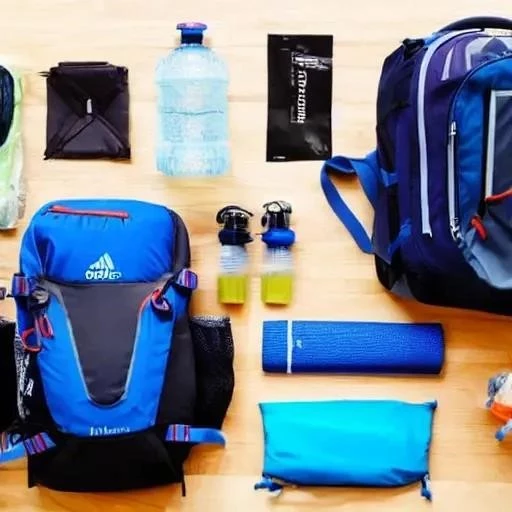
Embarking on a hike can be an incredibly rewarding experience, offering breathtaking views and a profound connection with nature. However, to truly savor these moments and ensure your safety, it’s crucial to understand how to prepare for a hike effectively. Proper preparation not only enhances your enjoyment but also mitigates potential risks, turning a challenging trek into a memorable adventure. This comprehensive guide will walk you through every essential step, ensuring you know exactly how to prepare for a hike, from planning your route to packing the right gear and conditioning your body.
Planning Your Adventure: The Foundation of Hike Preparation
The success of any hiking trip begins long before you set foot on the trail. Thorough planning helps you anticipate challenges, adapt to changing conditions, and make informed decisions.
Choosing the Right Trail
Selecting a trail that matches your experience level and physical condition is paramount. Consider the following factors:
- Difficulty and Length: Research the trail’s total distance, elevation gain, and overall ruggedness. Don’t overestimate your abilities, especially if you’re new to hiking.
- Expected Weather Conditions: Always check the forecast for your hiking area. Be prepared for sudden changes, especially in mountainous regions.
- Permits and Regulations: Some popular trails or wilderness areas require permits or have specific rules regarding camping, fires, or group size. Check with local park authorities.
- Time of Year: Consider seasonal variations. A trail that’s pleasant in summer might be treacherous with snow and ice in winter.
Essential Navigation Skills
Even on well-marked trails, having navigation tools and knowing how to use them can be a lifesaver. Technology can fail, so traditional methods are vital.
- Map and Compass: Learn to read a topographic map and use a compass. Practice these skills before your hike.
- GPS Device or Smartphone App: While useful, ensure your device is fully charged and you have backup power. Download offline maps in advance.
- Route Planning: Plot your intended route on your map and share it with someone who isn’t hiking with you. Provide an expected return time.
Gear Up: What to Pack for Your Hike
Having the right gear makes all the difference in comfort, safety, and enjoyment. Packing strategically means carrying only what you need, but ensuring you have crucial essentials.
The Ten Essentials
Originally conceived by The Mountaineers, these items form a basic survival kit for any outdoor excursion:
- Navigation: Map, compass, GPS device, extra batteries/power bank.
- Sun Protection: Sunscreen, sunglasses, wide-brimmed hat.
- Insulation: Extra layers of clothing (synthetic or wool) for warmth, even on warm days.
- Illumination: Headlamp or flashlight with extra batteries.
- First-Aid Supplies: A well-stocked kit for minor injuries and emergencies.
- Fire Starter: Waterproof matches, lighter, fire starter.
- Repair Kit and Tools: Multi-tool or knife, duct tape, cordage.
- Nutrition: Extra food beyond what you expect to eat. Non-perishable, high-energy snacks.
- Hydration: Water bottles or hydration reservoir, water filter/purifier.
- Emergency Shelter: Lightweight tarp, emergency blanket, or bivy bag.
Footwear and Clothing Considerations
Your feet and body temperature regulation are critical for comfort and safety on the trail.
| Category | Recommendation | Why It Matters |
|---|---|---|
| Footwear | Broken-in hiking boots or trail shoes with good ankle support and grip. Wool or synthetic socks. | Prevents blisters, provides stability on uneven terrain, protects feet from elements. |
| Base Layer | Moisture-wicking (synthetic or merino wool) shirt and underwear. | Draws sweat away from your skin, keeping you dry and preventing chafing or hypothermia. |
| Mid Layer (Insulation) | Fleece jacket or lightweight puffy jacket. | Provides warmth by trapping air, easily added or removed as temperatures change. |
| Outer Layer (Shell) | Waterproof and windproof jacket and pants. | Protects against rain, snow, and wind, crucial for staying dry and preventing heat loss. |
| Headwear | Sun hat or beanie. | Protects from sun exposure or retains body heat in colder conditions. |
Physical and Mental Conditioning for the Trail
Beyond gear and planning, understanding the physical and mental aspects of how to prepare for a hike is paramount for a successful journey. Your body and mind need to be ready to tackle the demands of the trail.
Building Stamina and Strength
Regular physical activity in the weeks leading up to your hike will significantly improve your experience.
- Cardiovascular Training: Engage in activities like brisk walking, jogging, cycling, or swimming for at least 30-60 minutes, 3-5 times a week. Focus on endurance.
- Strength Training: Strengthen your legs, core, and back. Lunges, squats, step-ups, and planks are excellent for hiking muscles.
- Practice Hikes: Go on shorter hikes with your packed backpack to simulate trail conditions and break in your gear. Gradually increase distance and elevation.
- Flexibility: Incorporate stretching to prevent muscle stiffness and improve range of motion.
Mental Preparedness
Hiking isn’t just a physical challenge; it’s a mental one too. Being mentally ready can help you overcome obstacles and enjoy the journey.
- Set Realistic Expectations: Understand that there might be difficult sections, bad weather, or moments of fatigue. Embrace the challenge.
- Problem-Solving Mindset: Be prepared to adapt. Trails can change, and gear can fail. A calm, problem-solving approach is invaluable.
- Enjoy the Solitude and Scenery: Remember why you’re hiking. Take breaks to appreciate your surroundings and connect with nature.
Safety First: Staying Prepared on the Trail
Even with meticulous planning, unforeseen circumstances can arise. Knowing how to react and prevent emergencies is vital.
Emergency Protocols
Having a plan for emergencies can make a critical difference.
- Share Your Itinerary: Always inform a reliable person about your hiking route, expected return time, and who you’re with.
- Know Your Limits: Don’t push yourself or others beyond their capabilities. Turn back if conditions become unsafe or someone is struggling.
- Basic First Aid: Understand how to treat common hiking injuries like blisters, sprains, and cuts. Consider taking a wilderness first aid course.
- Emergency Communication: Carry a fully charged phone (though service may be limited) and consider a satellite messenger for remote areas.
Leave No Trace Principles
Respecting the environment ensures that others can enjoy nature for years to come. Follow these seven principles:
- Plan Ahead and Prepare.
- Travel and Camp on Durable Surfaces.
- Dispose of Waste Properly.
- Leave What You Find.
- Minimize Campfire Impacts.
- Respect Wildlife.
- Be Considerate of Other Visitors.
Frequently Asked Questions About Hike Preparation
Here are answers to some common questions hikers have before hitting the trail.
What kind of food should I bring on a hike?
Focus on calorie-dense, lightweight, and non-perishable foods. Good options include nuts, dried fruit, energy bars, jerky, hard cheeses, and whole-grain crackers. For longer hikes, dehydrated meals are excellent. Always pack a little extra.
How much water do I need for a hike?
A general guideline is about half a liter of water per hour of hiking in moderate temperatures and terrain. In hot weather or strenuous conditions, you may need more. Always carry more than you think you’ll need, and consider a water filter or purification tablets for refilling from natural sources.
Is it better to hike alone or with a group?
Both have their merits. Hiking alone offers solitude and personal reflection but carries higher risks if an emergency occurs. Hiking with a group provides safety in numbers and shared experiences. For beginners, hiking with experienced companions is highly recommended.
What should I do if I get lost?
If you realize you’re lost, stay calm. The first step is to STOP: Stop, Think, Observe, Plan. Consult your map and compass, try to retrace your steps if safe, or use a whistle to signal for help (three short blasts, pause, repeat). Stay put if you are in a safe, visible location, especially if you’ve shared your itinerary.
Mastering how to prepare for a hike is an ongoing journey of learning and adaptation, ensuring each outdoor adventure is both safe and immensely enjoyable. By diligently planning your route, assembling the right gear, conditioning your body, and embracing safety protocols, you transform potential challenges into triumphs. Remember, the wilderness offers unparalleled beauty, and with thoughtful preparation, you’re not just ready for the trail, you’re ready to embrace its wonders fully. Happy trails!